
Running a bustling chiropractic practice in Sydney, Melbourne, or even a regional hub like the Gold Coast often means juggling patient care with a mountain of administrative tasks. From sending appointment reminders to post-treatment follow-ups and nurturing new leads, the manual effort required can easily overwhelm even the most organised practice owner, potentially impacting patient satisfaction and growth. In a competitive Australian healthcare landscape, efficiency isn’t just a bonus; it’s a necessity for thriving.
Contents
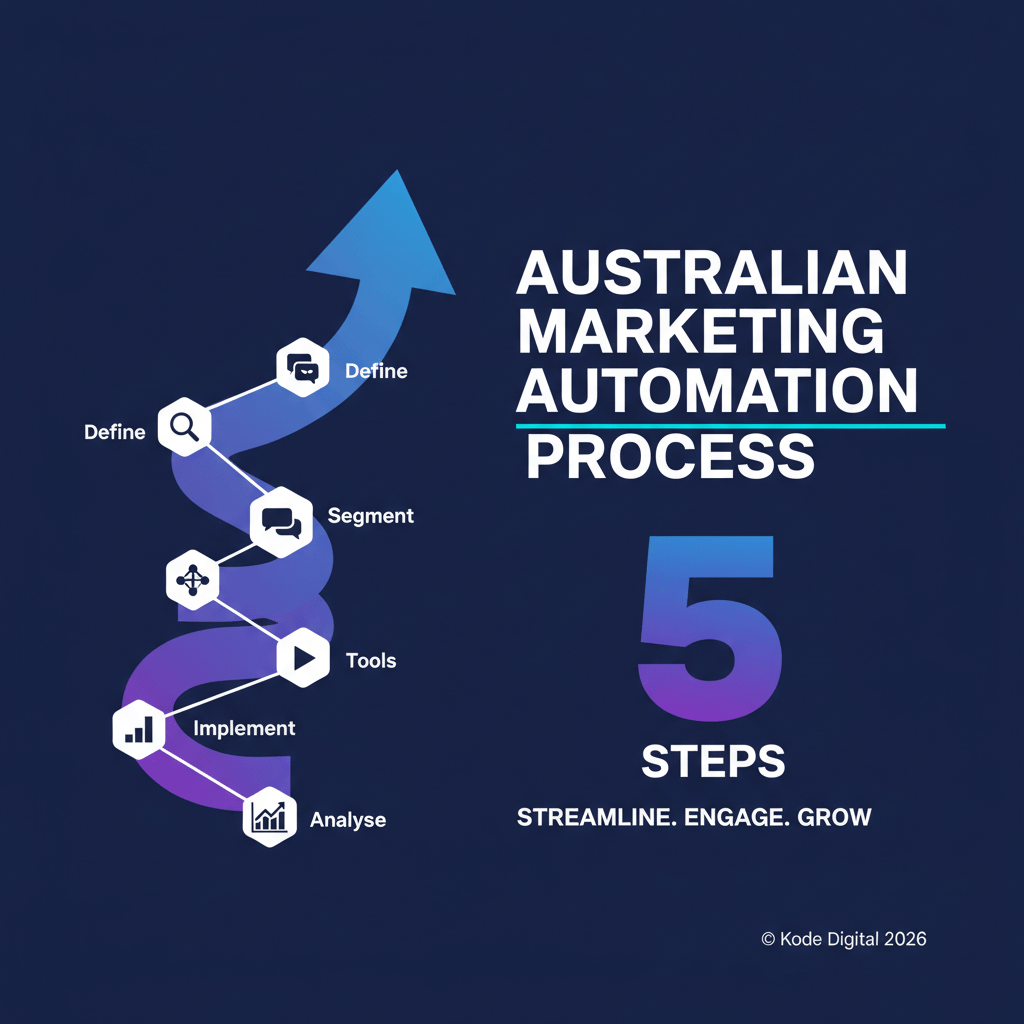
Step 1: Define Your Patient Journey & Goals
Before you automate anything, you need a crystal-clear understanding of your patient’s journey and what you aim to achieve at each stage. Think about it from the perspective of an Aussie consumer: how do they find you, what information do they need, and what keeps them coming back? Start by mapping out every touchpoint a patient has with your practice, from initial enquiry to long-term wellness.
For a chiropractic practice, key stages might include:
- Awareness: A potential patient in Brisbane experiences back pain and searches online for solutions.
- Consideration: They find your website, read testimonials, or see your social media posts.
- Conversion: They book their first consultation.
- Treatment: They attend appointments and receive care.
- Retention: They complete their initial treatment plan and transition to maintenance or preventative care.
- Advocacy: They refer friends and family.
For each stage, identify specific, measurable goals. Do you want to increase first-time bookings by 15%? Improve patient retention rates by 10% after their initial care plan? Reduce no-shows by 5%? Understanding these objectives will dictate the types of automation you implement. For instance, a new patient arriving from a Google Ads Australia campaign will have different needs and questions than an existing patient returning for a maintenance adjustment. Knowing your goals for each patient segment is the bedrock upon which effective marketing automation is built, ensuring your efforts are always aligned with tangible business outcomes.
Step 2: Segment Your Audience & Personalise Messaging
One-size-fits-all marketing messages rarely resonate, especially in a service-oriented industry like chiropractic. Australian consumers expect a level of personalisation that acknowledges their unique needs and relationship with your practice. This is where audience segmentation becomes invaluable. Instead of sending the same generic email to everyone on your list, you categorise your patients and leads into smaller groups based on shared characteristics or behaviours.
Consider these segmentation examples for a chiropractic practice:
- New Leads: Individuals who’ve enquired but not yet booked. They need educational content about chiropractic benefits, your practice’s philosophy, and a clear call to action for booking.
- First-Time Patients: Those who’ve just had their initial consultation. They might receive a welcome series, follow-up messages about what to expect next, and reminders for their subsequent appointments.
- Ongoing Patients: Individuals actively undergoing a treatment plan. Communication here might focus on progress updates, tips for at-home care, or gentle reminders about the importance of consistency.
- Lapsed Patients: Those who haven’t visited in a while. A re-engagement campaign offering a special check-up or educational content reminding them of the benefits of regular care can be highly effective.
- Specific Conditions: Patients primarily seeking relief for back pain versus those with neck issues or sports injuries. Your follow-up content can be tailored to their specific needs.
- Referral Source: Patients referred by a GP or physiotherapist versus those who found you through social media marketing Australia.
By segmenting your audience, you can craft highly relevant messages that speak directly to their current situation, build stronger relationships, and ultimately drive better engagement and retention. A personalised email wishing a patient a happy birthday with a small offer, or a targeted SMS reminding NDIS patients about their next scheduled session, demonstrates you understand and value them, significantly improving the patient experience.
Step 3: Choose the Right Automation Tools & Channels
With your patient journey mapped and audience segmented, the next critical step is selecting the appropriate technology to execute your strategy. The market for marketing automation tools is vast, but for Australian SMEs, it’s about finding solutions that are robust, user-friendly, and scalable, while also being mindful of local privacy regulations like the Australian Privacy Principles.
Consider a multi-channel approach that integrates various tools:
- Customer Relationship Management (CRM) System: This is the central hub for all patient data. A good CRM will allow you to track interactions, appointment history, communication preferences, and segmentation details. Many practice management software solutions offer integrated CRM functionalities tailored for healthcare.
- Email Marketing Platform: Essential for sending automated welcome series, newsletters, appointment reminders, and re-engagement campaigns. Look for platforms with robust segmentation capabilities, analytics, and intuitive drag-and-drop builders.
- SMS Marketing Tool: For immediate, high-impact communication like appointment confirmations, last-minute cancellations, or urgent updates. Many Australian consumers prefer SMS for direct communication, making it an effective channel for reducing no-shows in busy clinics from Perth to Adelaide.
- Social Media Management Tools: While not strictly automation, these can automate content posting and scheduling, ensuring a consistent presence for your social media marketing Australia efforts.
The key is integration. Your chosen tools should ideally “talk” to each other, allowing data to flow seamlessly between your CRM, email platform, and SMS system. This ensures a consistent patient experience and prevents data silos. Don’t overcomplicate it initially; start with a few core tools that address your most pressing needs, then expand as your confidence and requirements grow. For many, integrating their digital marketing Australia efforts with these automation platforms creates a powerful, unified approach.
Step 4 & 5: Implement Your Campaigns & Analyse Performance
Once your tools are in place, it’s time to bring your strategy to life through automated campaigns, and critically, to continually measure their effectiveness.
Step 4: Implement Your Automated Campaigns
This is where you build the actual workflows. Think about the common repetitive tasks that consume your team’s time.
- New Patient Welcome Series: When a new patient books online (perhaps via a landing page you’ve driven traffic to from performance marketing Australia efforts), trigger an automated email series. This could include a welcome email, information about what to expect at their first visit, forms to complete beforehand, and a brief introduction to your team and philosophy.
- Appointment Reminders & Confirmations: Automated SMS and email reminders significantly reduce no-shows. Send one a few days before, and another on the morning of the appointment.
- Post-Visit Follow-Ups: A quick email after an adjustment checking in on the patient’s wellbeing, offering tips for recovery, or even a link to leave a review. This shows you care and can reinforce positive behaviour.
- Re-engagement Campaigns: For patients who haven’t visited in 3-6 months. Send a personalised email or SMS with educational content about the benefits of preventative care, or a gentle reminder to book their next check-up.
- Birthday Messages: A small, personalised touch that strengthens patient loyalty.
The beauty of these campaigns is that once set up, they run automatically, nurturing relationships and driving actions without constant manual intervention from your team.
Step 5: Analyse Performance & Optimise
Implementation is just the beginning. The power of marketing automation lies in its ability to generate data that informs continuous improvement. Regularly review the performance of your campaigns:
- Open Rates & Click-Through Rates: Are your emails being read and are patients engaging with the content?
- Appointment Bookings & Conversions: Are your campaigns leading to desired actions, like booking a consultation or returning for treatment?
- Patient Retention Rates: Is automation helping you keep patients coming back?
- Feedback & Reviews: Are patients responding positively to your automated communications?
Use this data to refine your messaging, adjust your segmentation, or even tweak your patient journey. Perhaps a particular subject line performs better, or an SMS reminder is more effective than email for certain demographics in regional areas. This iterative process of analysis and optimisation ensures your marketing automation strategy is always evolving and delivering maximum value for your Australian practice. For more comprehensive digital strategy, sometimes engaging a digital marketing agency Australia can provide deeper insights.
Tools and AI Support for Modern Practices
The landscape of marketing automation is continually evolving, with Artificial Intelligence (AI) playing an increasingly pivotal role. For chiropractic practices in Australia, AI isn’t just a futuristic concept; it’s a practical tool that can supercharge your automation efforts, making them even more intelligent and effective.
Here’s how AI is changing this space:
- Predictive Analytics: AI can analyse patient data to predict when a patient might be at risk of lapsing or when they might be due for their next adjustment, allowing you to trigger proactive re-engagement campaigns. This shifts your approach from reactive to predictive, a huge advantage in patient retention.
- Hyper-Personalisation: Beyond basic segmentation, AI marketing Australia tools can analyse individual patient behaviour and preferences to deliver truly personalised content and offers in real-time. Imagine an email automatically tailoring its content based on a patient’s recent search history or engagement with your website.
- Chatbots and Virtual Assistants: AI-powered chatbots on your website or social media channels can handle common patient queries 24/7, booking appointments, answering FAQs about services or payment options, and directing more complex issues to your team. This frees up your reception staff and provides instant service to potential patients.
- Content Generation: AI can assist in drafting email subject lines, social media posts, or even sections of patient education materials, helping you maintain a consistent and engaging content marketing Australia strategy without dedicating hours to writing.
While the idea of integrating AI might seem daunting, many modern marketing automation platforms are now incorporating these capabilities, making them accessible even for smaller practices. Leveraging AI means your automated communications become smarter, more targeted, and ultimately, more impactful, helping your practice stay ahead in a competitive market. Consider how these advanced tools can complement your existing web design Australia efforts to provide a seamless digital experience.
How to Know If You’re Ready to Embrace Automation
Deciding when your chiropractic practice is ready for marketing automation isn’t about size, but about operational mindset and a willingness to invest in efficiency. It’s not about being a large corporation, but about being a forward-thinking Australian SME.
Here are some internal readiness signals:
- You’re Drowning in Manual Tasks: If your team spends a significant portion of their day on repetitive tasks like sending individual reminders, booking follow-ups, or responding to common enquiries, you’re a prime candidate for automation.
- Inconsistent Patient Communication: If patient communication is haphazard or varies greatly between team members, leading to missed opportunities or patient confusion, automation can provide a consistent, high-quality experience.
- Struggling with Patient Retention: If you find patients are dropping off after their initial treatment plans or not returning for maintenance, a structured automation strategy can help re-engage them.
- Desire for Scalable Growth: You want to grow your patient base in locations like Gold Coast or Perth without proportionally increasing your administrative overhead. Automation allows you to serve more patients efficiently.
- Openness to Data-Driven Decisions: You understand that tracking and analysing performance metrics is key to optimising your marketing efforts and improving patient outcomes.
- Clear Patient Journey: You have a good understanding of your patient’s lifecycle, even if it’s not formally mapped out yet.
If several of these resonate with your practice, you’re likely in a strong position to benefit from marketing automation. It’s a strategic decision that empowers your team to focus on what they do best: providing exceptional patient care, rather than getting bogged down in repetitive admin.
Embracing marketing automation isn’t just about adopting new technology; it’s about strategically enhancing how your chiropractic practice engages with patients, streamlines operations, and fosters sustainable growth across Australia. By following a structured approach, from defining your goals to leveraging smart tools and AI, you can transform your patient journey, cultivate deeper loyalty, and ensure your practice thrives in the digital age. The future of patient engagement is automated, personalised, and profoundly effective.
Please note: This information is for general guidance only and does not constitute professional advice. Always consult with legal and compliance experts for specific requirements relevant to your business.
